BPC-157 10 mg
BPC-157, a fifteen-amino-acid chain that rebuilds damaged tissue by growing new blood vessels into it, can be bought in Australia from Australian Research Peptides as one 10 mg vial of…
Peptides studied in tissue-repair research contexts — including BPC-157 and the BPC-157 + TB-500 blend — supplied for in vitro laboratory use. Every vial is HPLC-tested before release, with published certificates listed by product and strength in the COA library, stocked in Australia and dispatched the same business day when ordered before 12pm AEST. For in vitro research purposes only.
Tissue repair research peptides are compounds studied in laboratory models of wound and tissue repair. This category holds BPC-157, TB-500 and the BPC-157 + TB-500 blend, each examined for angiogenesis and cell migration, alongside KPV, a tripeptide from the tail of alpha-MSH studied in inflammatory signalling. Every one is a freeze-dried research material supplied in Australia for in vitro work.
Related guides: Peptide Types, Categories and Blends · BPC-157 vs TB-500: What Is the Difference?
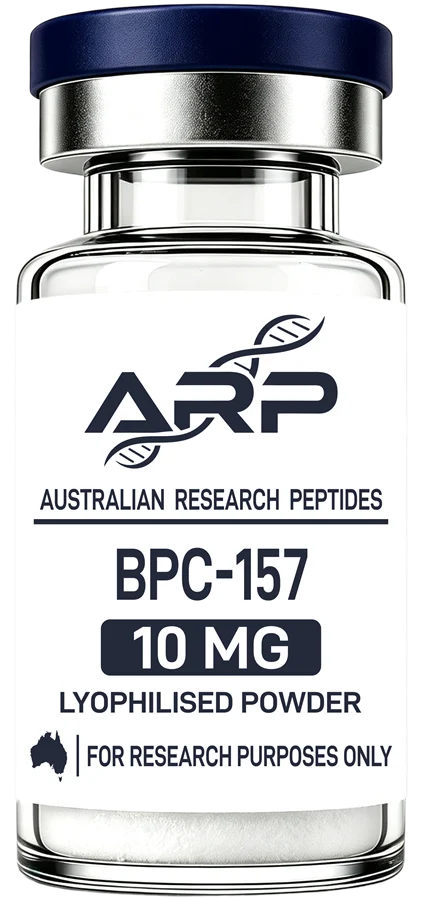
BPC-157, a fifteen-amino-acid chain that rebuilds damaged tissue by growing new blood vessels into it, can be bought in Australia from Australian Research Peptides as one 10 mg vial of…
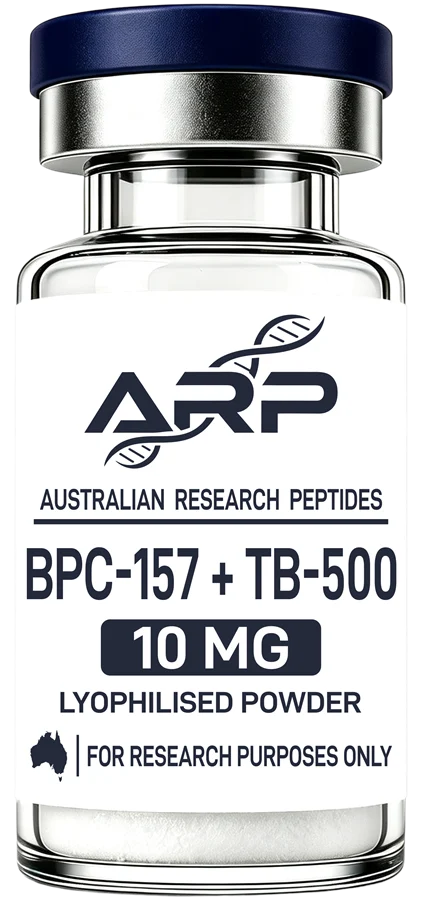
BPC-157 + TB-500, the two-peptide vial nicknamed the Wolverine Stack online, is sold in Australia by Australian Research Peptides as 10 mg of lyophilised powder covering both chains…
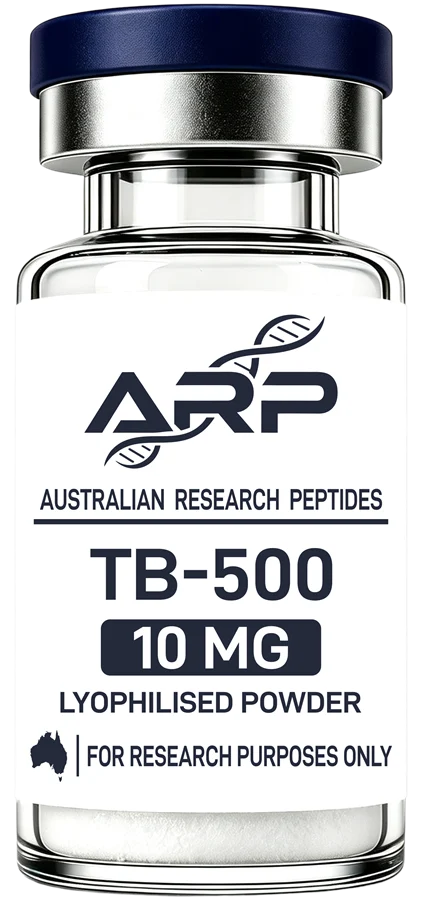
TB-500, a seven-amino-acid chain copied from thymosin beta-4 that binds free actin, is supplied in Australia by Australian Research Peptides in a tamper-sealed 10 mg vial, its contents…
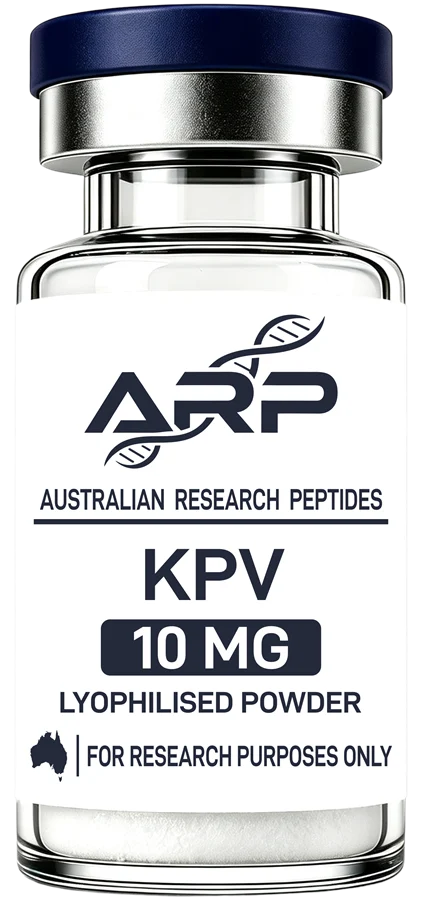
KPV, ten milligrams of dried off-white tripeptide in a tamper-sealed vial, is supplied in Australia by Australian Research Peptides, and it calms inflammation from inside the cell rather…
Choose by whether the research question is one mechanism or several. BPC-157 and TB-500 are studied separately and are also listed together as a single blended vial; KPV sits closer to inflammation work. Every compound here comes in one strength, so the choice is compound, not size.
| Compound | Vial strengths listed | Studied in relation to |
|---|---|---|
| BPC-157 | 10 mg | tissue repair |
| BPC-157 + TB-500 | 10 mg | tissue repair |
| TB-500 | 10 mg | tissue repair |
| KPV | 10 mg | inflammation |